

Focus and people
How to stop getting distracted by your phone while studying

Power it all the way off and zip it into a pocket of your backpack, or leave it behind when you go somewhere to study. Silent and face down isn't enough: a phone you can see still pulls at your attention.
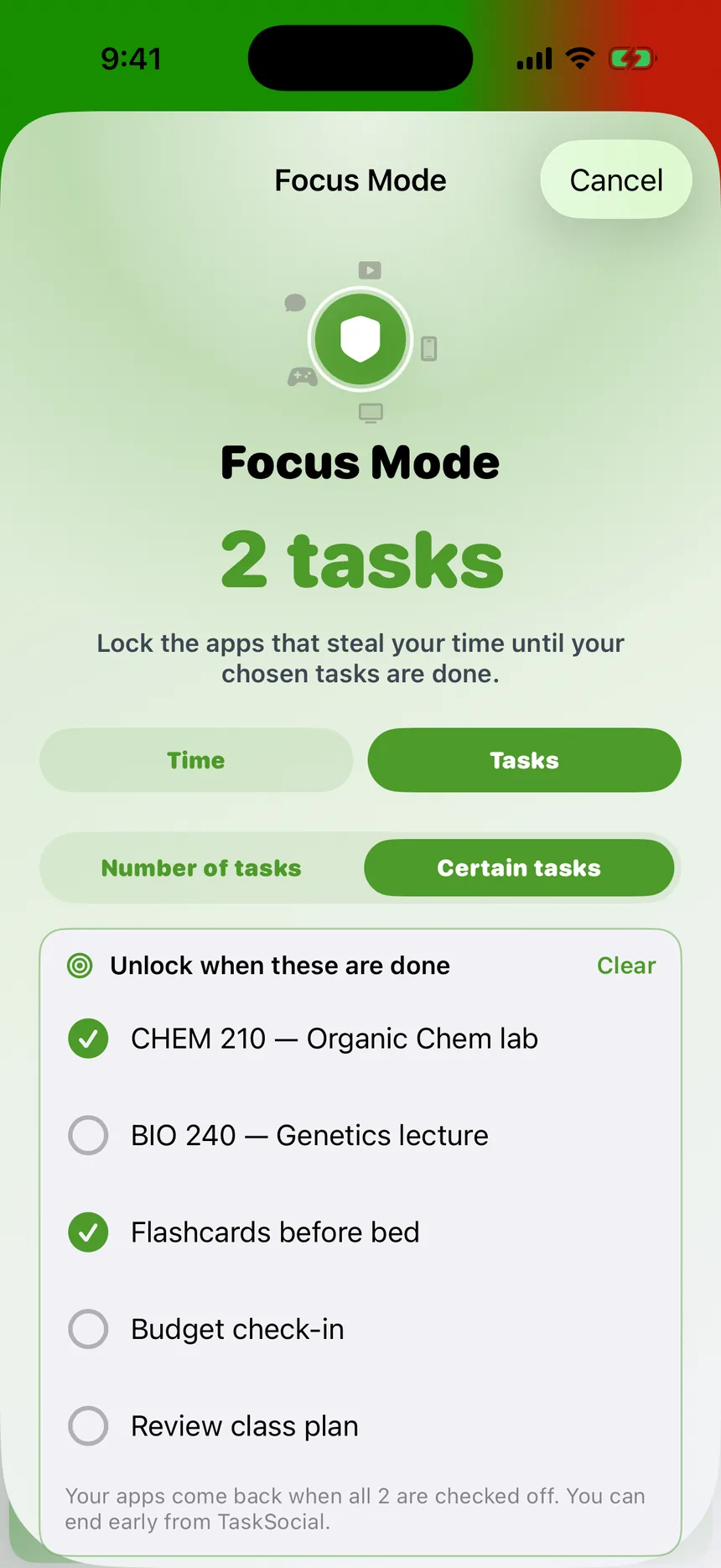
If it has to stay on, lock the apps that distract you until your study task is done.
Your phone is built to win
Your phone was designed by some of the smartest people in the world to take your attention, and every minute it takes comes out of your grades. You're not going to out-willpower it. You have to set things up so it can't get to you.
Studying hard material takes deep focus. It takes minutes to get into and one notification to lose. With your phone in reach, you never really get there.
Two real hours with no phone beat five hours with it next to you.
Why silent and face down isn't enough
In one study, people did worse on tests of focus and memory when their phone was on the desk, even face down and silent, than when it was in another room. Part of your brain is busy not checking it.
And a "quick check" is rarely quick. It's thirty seconds on the phone and then minutes more getting back into what you were doing.
Where your phone goes while you study
Set up the rest of your study time
Your attention comes back, slowly
If you've spent months scrolling, staying up late and jumping between apps, your focus won't be fixed by tomorrow. That's not how your brain works. Start with one phone-free block a day and build from there. It gets easier every week, and the first few days are the hardest.
Free tools for this
Common questions
How do I stop checking my phone while studying?
Take it out of reach. Power it off and zip it into your backpack, or leave it behind when you go somewhere to study. If it has to stay on, lock your distracting apps until your study task is done.
Is it enough to put my phone on silent?
Usually not. Research found that a phone on the desk, even silent and face down, can hurt focus compared with a phone in another room.
What app blocks apps until I finish studying?
TaskSocial's Focus Mode locks the apps you pick until the time is up or your chosen tasks are checked off, using Apple's Screen Time. It's free when you lock in with a friend; solo sessions are part of TaskSocial Plus.
How long should I study without my phone?
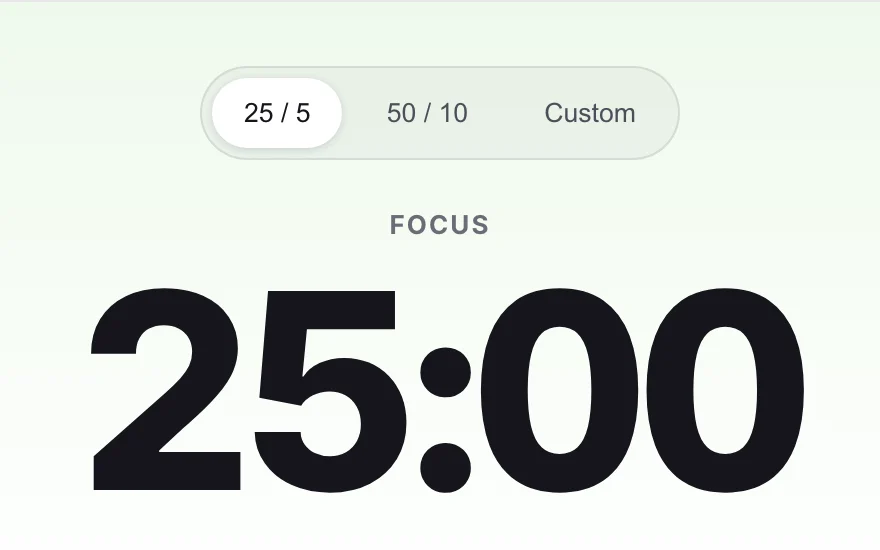
Start with one 25- or 50-minute block a day with your phone off and away, then add more. Check your phone on breaks, not during blocks.
Keep going
Study with me in Study Hall
Lessons on how to study, live Ask Joe sessions, and a daily plan on your list in the TaskSocial app, with students who keep you honest.
Sources
- Ward, A. F., Duke, K., Gneezy, A., & Bos, M. W. (2017). Brain drain: The mere presence of one's own smartphone reduces available cognitive capacity. Journal of the Association for Consumer Research, 2(2), 140–154.